
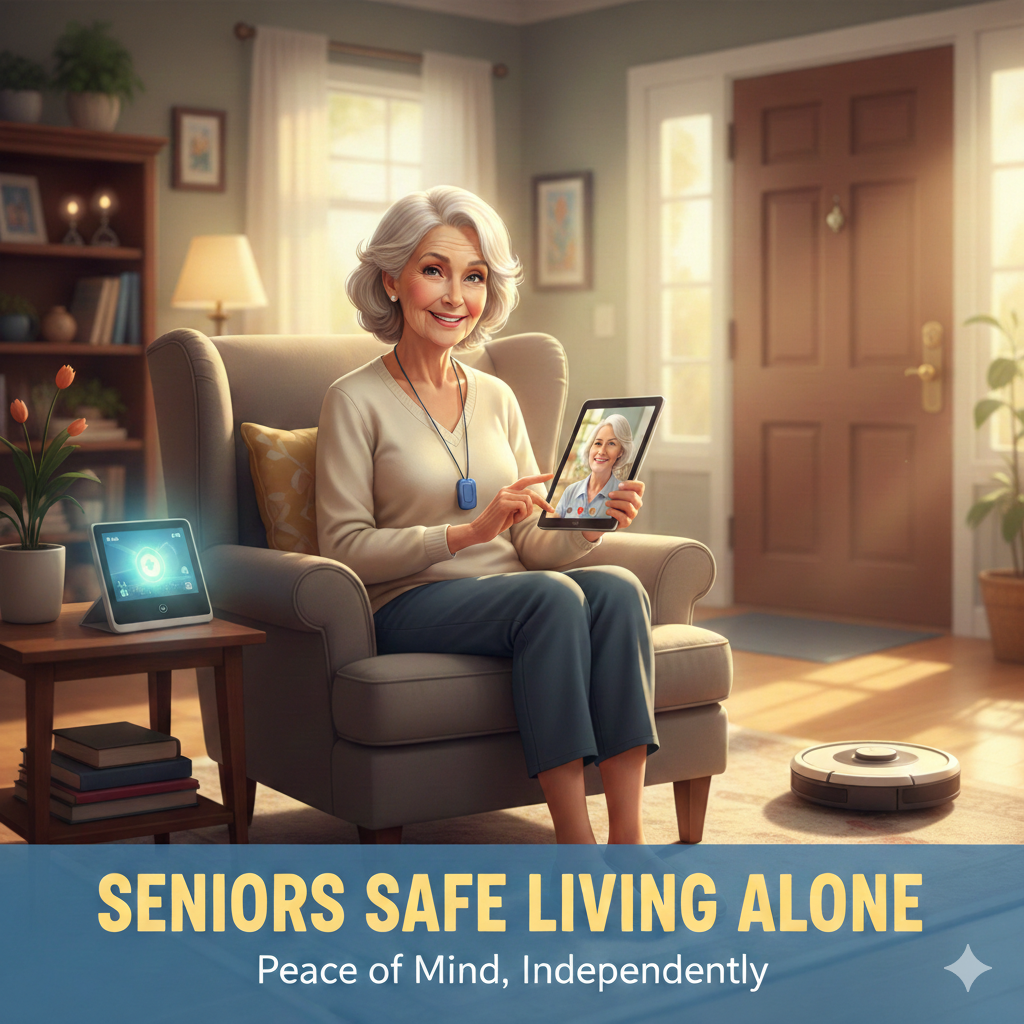
How Do Seniors Stay Safe While Living Alone
Living alone can be a positive, empowering choice for older adults who value independence. At the same time, it raises practical questions about safety and daily living. Small adjustments in the home, clear routines, and a few well chosen tools can reduce risks and help older people remain comfortable and confident in their own space.
This article lays out concrete steps families and caregivers can take to reduce accidents and respond quickly when problems occur. It covers physical changes, technology options, health routines, social strategies, and emergency planning so you can build a safety plan that fits real life.
Identify common risks in homes where seniors live alone
Before making changes, take a methodical walk through the living space and note hazards that show up again and again in incident reports. Common trouble spots are stairs, bathrooms, cluttered walkways, loose rugs, poor lighting, and high shelves that require reaching. A simple checklist helps focus effort.
- Trip and fall hazards: loose rugs, cords across paths, uneven thresholds
- Slippery surfaces: tubs, shower floors, wet kitchen floors
- Weak lighting: dim hallways, stairwells, night travel paths
- Medication errors: unclear dosing, similar looking pills, missed refills
- Isolation risks: long gaps between contacts, limited neighborhood resources
Documenting where and when incidents are most likely to happen gives you target areas for improvement. Consider input from the senior who lives there. Their daily habits will reveal the most practical fixes.
Practical home changes that lower daily risk
Home changes do not have to be expensive. Many effective solutions are low cost and simple to implement. Focus on places where a small change has a big impact on safety.
Bathroom safety tips
The bathroom is one of the highest risk rooms. Install grab bars near the toilet and in the shower. Use a textured, non slip shower mat and consider a shower chair for those who tire while bathing. Replace standard towel racks with bars that can double as grab handles only if they are firmly mounted to studs.
Kitchen and living area adjustments
Keep frequently used items at waist to shoulder height to avoid reaching or bending. Move rugs away or use double sided tape to keep them flat. Add task lighting over counters and stoves. Store sharp objects securely and mark appliances with clearly labeled on off indicators if needed.
- Replace high shelves with lower cabinets for everyday items
- Use timers and automatic shutoff for space heaters and cooking devices
- Arrange seating so that it is easy to stand up from a seated position
Medical alert systems and wearable options
Medical alert devices allow a person to request help at the push of a button and can be a critical part of a safety plan. There is a wide range of options from simple wearable buttons to systems that include fall detection, GPS tracking for people who leave home, and integrated cellular service. When choosing a product, compare battery life, range, monthly fees, and how calls are routed.
For readers who want an overview of popular types and features, this resource on elder safety solutions provides comparisons that can guide decisions based on lifestyle and health needs.
Choosing the right device
Match features to real needs. If a person rarely leaves home, a base station with a wearable button and long range may be enough. If there are mobility issues or a tendency to fall alone, devices with automatic fall detection can offer an extra layer of protection. For those who still drive or walk around the neighborhood, GPS enabled devices provide tracking and location information to responders.
Testing and maintenance
Whatever device is chosen, test it regularly and establish a maintenance routine. Check battery levels weekly and run test calls monthly to confirm the line to the response center works. Keep a written quick guide near the phone and on the refrigerator that explains how the device works so helpers know what to do if an alarm is triggered.
Medication and health management strategies
Medication errors are a frequent source of harm for older adults living alone. Reducing complexity around dosing and appointment follow up lowers risk significantly.
- Use a pill organizer with daily compartments and check it each evening
- Set phone alarms or simple programmable timers for medication times
- Ask a pharmacist to review medications quarterly, especially after hospital stays
For people with multiple prescriptions, consider blister packaging available from some pharmacies. It separates doses by date and time and makes it easier to see missed doses. Keep a health journal that records vitals, symptoms, and medication changes. That record helps clinicians make informed decisions quickly during visits.
Build routines and social connections that reduce isolation risk
Loneliness and long stretches without human contact increase vulnerability. A predictable routine with scheduled check ins by family, neighbors, or community programs reduces the chance that a problem goes unnoticed for hours or days.
- Set up a daily phone or video call schedule with a family member or volunteer
- Join local senior centers, faith groups, or clubs that offer daytime programs
- Enroll in a community meal delivery or friendly visitor program
Technology can help keep social ties active. Teach basic video calling and provide written step by step instructions for the most used apps. If learning feels overwhelming, pair tech setup with a local volunteer who can do an in person tutorial. Regular social contact gives more people eyes and ears on the daily situation and reduces unnoticed health declines.
Emergency planning, drills, and simple training
Plan for several scenarios that could interrupt independent living. That includes falls, sudden illness, power outage, and natural hazards like severe storms. A concise emergency plan with roles, contact numbers, and a small go bag can make a big difference.
What to include in an emergency folder
Keep a slim folder in a consistent place with medication lists, allergy notes, medical conditions, doctors contact information, and a list of emergency contacts. Add a copy of advance directives if they exist. Make electronic copies and share them with a trusted relative or provider.
Practice simple drills
Run through basic actions once a month. Practice using the medical alert device and rehearse how to get to a safe room in case of fire. Role play with a neighbor or caregiver to make responses intuitive. Repetition lowers stress when a real event occurs.
When to bring in outside help and how to manage visits
Outside help may be a periodic home health check, a cleaning service to reduce fall hazards, or a companion service for errands. Decide on an appropriate cadence based on health status. Scheduled visits also create reliable contact points so changes in condition are noticed quickly.
- Use references and local agency reviews when selecting providers
- Start with trial visits to confirm fit and comfort
- Keep an up to date calendar with visit schedules visible to the senior
Maintain open conversation about needs and preferences. The goal is to preserve independence while adding targeted support where it matters most.
Living alone as a senior does not have to mean living at risk. Thoughtful home changes, clear medication routines, accessible emergency systems, regular social contact, and a short emergency plan can reduce common dangers and make daily life steadier and more predictable. Begin with one or two small steps that fit current habits. For example, add a night light and a wearable emergency button this month, review prescriptions with a pharmacist next month, and schedule a weekly call with a friend. Each action builds on the last.
Start a safety conversation today. Walk through the home with a checklist, discuss technology options, and sign up for a test of a medical alert system. If you want to compare devices and features, use the linked resource above as a starting point and then test your top choices in person. Take action now to make living alone safer and more sustainable for the long term.