
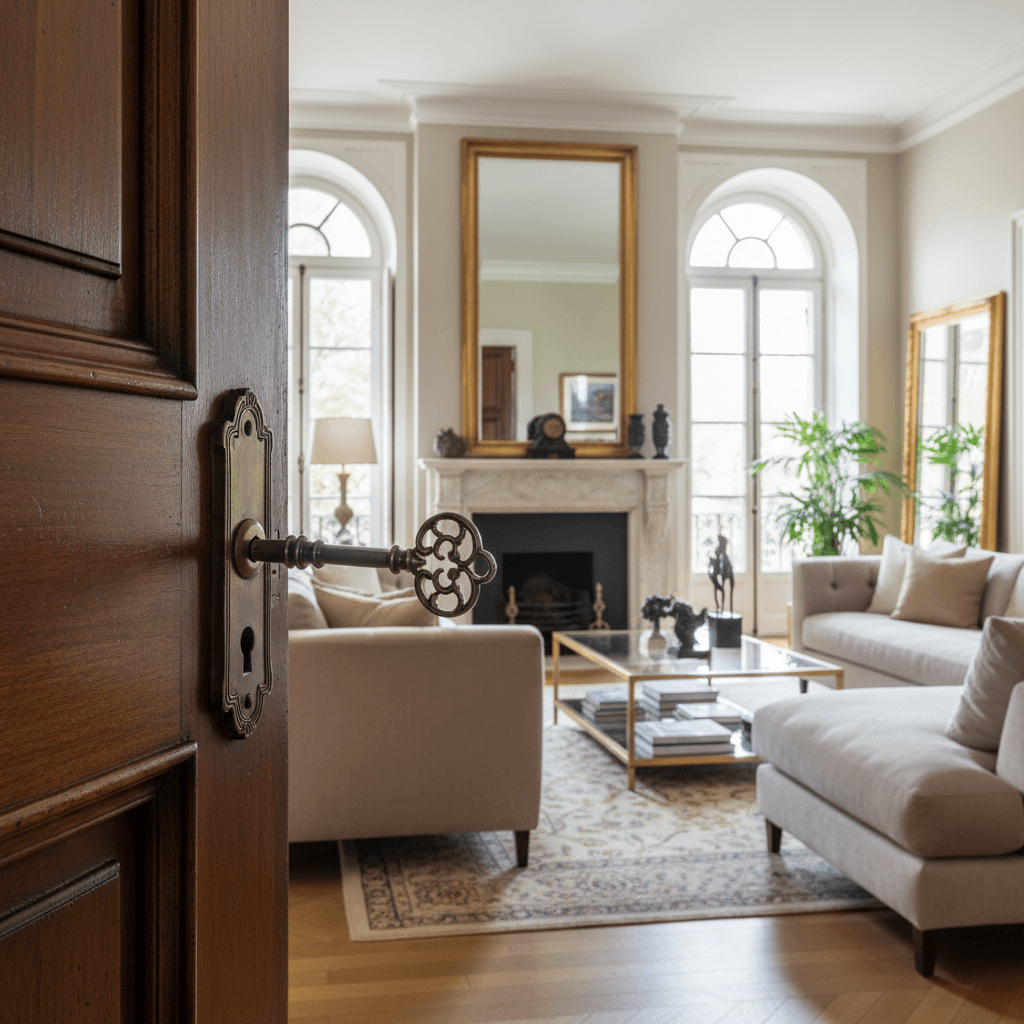
Unlock Upscale Style For Your Home Interior
I often reflect on how our homes shape our daily lives. Creating a space that feels both comfortable and beautiful is a goal many of us share. It is not always about spending a lot of money. Sometimes it means making smart choices about what we already have.
I believe that anyone can elevate their living environment with thoughtful design. You can turn any room into a refined retreat with a few key strategies. It is about understanding the elements that make a home feel truly special. This involves everything from color palettes to furniture arrangement.
Today, I want to talk about how you can achieve a sophisticated look in your personal spaces. We will explore practical ways to make your home shine. My goal is to help you Unlock Upscale Style For Your Home Interior, making your surroundings reflect elegance and comfort without breaking your budget.
Embracing a Cohesive Design Vision for Your Space
Achieving an upscale look starts with a clear design vision. I have seen many homes with beautiful pieces that do not quite work together. This is because they lack a unified theme. A cohesive vision acts like a blueprint. It guides all your design decisions.
Think about the mood you want to create. Do you prefer a calm and serene atmosphere, or something more energetic and dramatic? Your personal style should be the foundation. Once you know your desired feeling, it becomes easier to select elements that align with it. For example, a minimalist approach might focus on clean lines and muted colors. A more traditional look could involve rich textures and classic patterns.
I recommend gathering inspiration from various sources. You can look at magazines, online galleries, or even other homes you admire. This step helps you refine your ideas before you make any purchases. It is a process of curation, of selecting what truly resonates with you. This ensures every piece you bring into your home serves a purpose and contributes to the overall aesthetic.
Defining Your Unique Aesthetic
To really define your aesthetic, consider what colors and textures you gravitate towards. I find it helpful to create a mood board. This visual tool helps you see how different elements will look together. You can collect fabric samples, paint chips, and images of furniture.
This process is not just for professional designers. It is a simple way for anyone to visualize their ideal space. I often use digital tools for this, but a physical board works just as well. The key is to see the interplay of colors and materials. This helps prevent costly mistakes.
Consider the existing architecture of your home. Does it have a modern feel or a more classic structure? The design should complement its inherent character. You do not want your interior to fight against the bones of the house. Work with what you have and let it guide your choices.
Strategic Color Palettes and Material Selections
Color and material choices play a huge role in creating an upscale interior. I often tell people that a sophisticated palette is not necessarily about bright, bold colors. It is more about depth and harmony. Neutrals like warm grays, creams, and soft whites can create a very elegant backdrop. They allow other elements in the room to stand out.
When choosing materials, think about quality and how they feel to the touch. I am drawn to natural materials. They add richness and authenticity to any space. Consider wood, stone, linen, and wool. These materials age beautifully and provide a sense of timelessness. They also add subtle textures.
It is important to mix materials thoughtfully. You can combine smooth metals with rough wood. Or you can pair soft velvet with crisp cotton. This layering creates visual interest and makes a room feel more dynamic. It prevents the space from looking flat or one-dimensional.
Layering Textures for Depth and Interest
Layering textures is one of my favorite ways to add warmth and luxury. Imagine a sofa with a chunky knit throw, velvet pillows, and a jute rug underneath. Each element brings its own tactile quality. This creates a rich sensory experience.
I always aim for a balance of different textures. If everything is smooth and glossy, the room can feel cold. If everything is too rough, it might feel unrefined. The trick is to find a comfortable middle ground. This allows each texture to complement the others.
You can start small with throws and pillows. Then you can gradually introduce more significant pieces. These might include textured wallpaper or curtains. Even a simple change in fabric can make a big difference in a room’s overall feel.
When I choose textiles, I focus on natural fibers. They have a more refined appearance and feel. Linen drapes, silk pillows, and cashmere throws instantly elevate a space. They bring a touch of understated luxury.
The Art of Curated Furniture and Decor Pieces
Selecting furniture and decor is where your personal style truly shines. I always advocate for choosing pieces that tell a story. This does not mean every item needs to be an antique. It means each piece should have character and meaning to you. It also helps to avoid a showroom look.
Look for well-made furniture. It does not have to be expensive. Quality construction means the piece will last longer. It also looks better over time. I focus on classic shapes that will not go out of style quickly. This is a smart approach for building a collection that feels genuinely yours.
When it comes to decor, less is often more. I prefer a few impactful pieces over many small, cluttering items. Think about statement art, a unique sculpture, or a collection of books. These items draw the eye and add personality. They can transform a room from ordinary to extraordinary.
Incorporating Meaningful Art and Accessories
Art is a powerful tool for defining a space. I encourage clients to choose art they truly love. It should speak to them personally. The size and placement of art are also very important. A large piece can anchor a wall. A gallery wall can create a focal point.
Accessories are the finishing touches. I use them to add layers of interest and reflect the homeowner’s personality. These can be anything from decorative bowls to unique lamps. They should feel cohesive with your overall design.
Consider placing a few carefully chosen accessories on a coffee table or bookshelf. For example, a stack of art books and a small plant can make a vignette. It creates a sense of casual elegance. The key is to arrange them in a way that feels natural and unforced.
I have found that thoughtful arrangements of personal items can make a space feel truly lived in. This includes things like framed photographs or souvenirs from travels. They add a personal touch that mass-produced decor cannot replicate.
Thoughtful Lighting Design for Ambiance
Lighting is a critical element often overlooked in interior design. I consider it the jewelry of a room. Good lighting can completely transform the mood and functionality of a space. It highlights architectural features and creates inviting pockets of warmth.
We want to move beyond a single overhead light. Instead, I suggest layering different types of light. This includes ambient lighting, task lighting, and accent lighting. Ambient lighting provides general illumination. Task lighting helps with specific activities like reading. Accent lighting spotlights artwork or architectural details.
Dimmer switches are a simple yet effective tool. They allow you to control the intensity of light. This lets you adjust the ambiance from bright and functional to soft and intimate. It is an easy way to make a room versatile for various occasions.
Creating Mood and Function with Layered Illumination
To create truly great ambiance, I mix different light sources. For example, I might use recessed lighting for general brightness. Then I add table lamps for soft glows. Floor lamps can provide both decorative and functional light.
The type of lightbulb you choose also matters. I prefer warm light temperatures for living areas. They create a cozy and inviting atmosphere. Cooler light is better for workspaces where focus is important.
I also pay attention to the fixtures themselves. They are part of the decor. A beautiful chandelier can be a statement piece. A sleek wall sconce can add modern flair. The style of the fixture should match the overall aesthetic of your room. You can discover more secrets that define upscale interior design in other resources I frequently refer to.
Strategically placing mirrors can also enhance lighting. They reflect light and make a room feel larger and brighter. It is a smart trick to maximize natural light. This makes even small spaces feel grand.
Smart Storage and Organization Solutions
An upscale interior always feels calm and orderly. I have found that clutter is the enemy of elegance. So, smart storage solutions are not just practical. They are essential for achieving a refined look.
Think about furniture that serves a dual purpose. An ottoman with hidden storage is a great example. A console table with drawers can hide away keys and mail. These pieces help keep surfaces clear. This immediately makes a space feel more open and sophisticated.
Built-in shelving can also add a custom feel to a room. It provides ample space for books and decorative items. When organizing shelves, I suggest mixing books with curated decor. This creates visual interest. It also avoids a cluttered appearance.
Maintaining Order and Elegance
Regular decluttering is a habit I encourage everyone to adopt. It is not a one-time event. It is an ongoing process that helps maintain a serene environment. I try to touch every item in my home at least once a year.
For smaller items, I use stylish storage containers. These could be woven baskets, decorative boxes, or ceramic jars. They keep things tidy while also contributing to the decor. Matching containers can create a uniform and polished look.
I also consider the entryway. This area often collects shoes and coats. A dedicated mudroom or a stylish hall tree can make a big difference. It provides a designated spot for these items. This keeps the main living areas free from unnecessary mess.
Maintaining order allows the true beauty of your design choices to shine. When surfaces are clear and items have a home, your carefully selected furniture and decor become the stars. This promotes a sense of peace and relaxation in your home.
Integrating Greenery and Natural Elements
Bringing nature indoors is an effective way to soften a space. I find that greenery adds life and a fresh feeling to any interior. Plants introduce natural colors and textures. They also improve air quality. This makes your home healthier and more inviting.
Consider different types of plants to add variety. A large floor plant can anchor a corner. Smaller plants can brighten up a shelf or coffee table. Hanging plants can add visual height. Each plant contributes to the organic feel of the room.
It is important to choose plants that suit your lifestyle. Some plants require more care than others. I recommend selecting low-maintenance options if you are new to indoor gardening. Pothos, snake plants, and ZZ plants are all good choices.
Adding Life and Freshness with Indoor Plants
The right planter can also enhance the overall look. I look for planters made from natural materials. Ceramic, terracotta, or woven baskets are excellent options. They complement the natural beauty of the plants. They also add to the room’s aesthetic.
I often group plants together. This creates a fuller, more impactful display. You can vary the heights and textures within a grouping. This adds depth and visual interest. It makes a corner feel like a small oasis.
Beyond plants, consider other natural elements. A bowl of polished stones or a collection of driftwood can bring a touch of the outdoors in. These items add an earthy quality. They make a space feel grounded and connected to nature.
Fresh flowers are another simple way to elevate a room instantly. A vase of seasonal blooms on a dining table or entryway console adds color and fragrance. It is a small detail that makes a big impact. I try to incorporate fresh flowers whenever possible.
Conclusion: Cultivating Your Elegant Home Environment
Cultivating an elegant home environment is a rewarding endeavor. It goes beyond mere decoration. It is about creating a sanctuary that reflects your personal taste and provides comfort. I have shared my insights on several key areas. These include establishing a cohesive design vision, choosing the right colors and materials, and thoughtfully selecting furniture and decor. We have also discussed the importance of layered lighting, smart storage solutions, and integrating natural elements. Each of these steps contributes to a sophisticated and inviting home. They work together to build a space that truly resonates with you.
I encourage you to approach your home’s design with intention and patience. Transformative changes often happen little by little. Start with one room or even one small area. Experiment with colors, textures, and arrangements. Observe how different elements interact. This hands-on approach will help you discover what works best. It will empower you to make confident design choices. Remember that your home is a reflection of you. It should evolve and grow with your changing preferences.
Do not feel pressured to achieve perfection overnight. The true beauty of a well-designed home lies in its authenticity and the stories it tells. It is a continuous process of refinement. Embrace the journey of making your living spaces truly your own. Begin today by identifying one small change you can make to enhance your home’s style. Perhaps it is adding a new plant, rearranging a bookshelf, or even just decluttering a countertop. These small actions can lead to significant improvements over time. Make your home a place where you feel inspired and at peace every day.